All content on this site is intended for healthcare professionals only. By acknowledging this message and accessing the information on this website you are confirming that you are a healthcare professional. If you are a patient or carer, please visit Know GvHD.
The GvHD Hub website uses a third-party service provided by Google that dynamically translates web content. Translations are machine generated, so may not be an exact or complete translation, and the GvHD Hub cannot guarantee the accuracy of translated content. The GvHD Hub and its employees will not be liable for any direct, indirect, or consequential damages (even if foreseeable) resulting from use of the Google Translate feature. For further support with Google Translate, visit Google Translate Help.


The GVHD Hub is an independent medical education platform, sponsored by Medac and supported through independent educational grants from Incyte, Sanofi and Therakos. Funders are allowed no direct influence on our content. The levels of sponsorship listed are reflective of the amount of funding given. View funders.
Now you can support HCPs in making informed decisions for their patients
Your contribution helps us continuously deliver expertly curated content to HCPs worldwide. You will also have the opportunity to make a content suggestion for consideration and receive updates on the impact contributions are making to our content.
Find out more
Create an account to access:
Bookmark & personalize site content
Receive alerts for new content in your areas of interest
View GvHD content recommended for you
PTCy-based GvHD prophylaxis and BOS risk: A multicenter cohort study
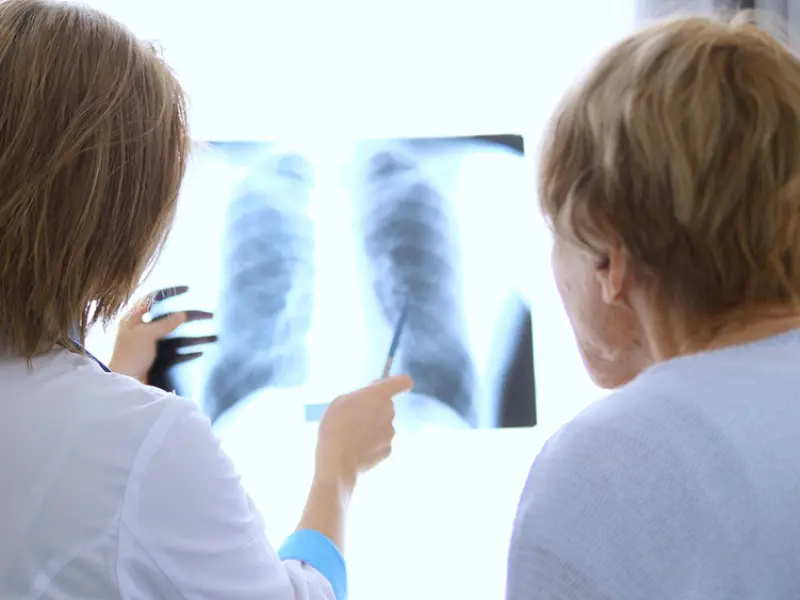
Results from a retrospective, multicenter cohort study, evaluating the association between post-transplant cyclophosphamide (PTCy)-based graft-versus-host disease (GvHD) prophylaxis and risk of developing bronchiolitis obliterans syndrome (BOS) in patients who underwent allogeneic hematopoietic stem cell transplantation (allo-HSCT), were published in Chest by Eggleston et al. Outcomes were assessed in 900 patients who were alive at 1 year post-transplant (PTCy, n = 276; non-PTCy, n = 624). The primary objective was to compare BOS incidence between patients receiving PTCy-based and those receiving conventional GvHD prophylaxis.
Key data: During a mean follow-up of 3.6 years, BOS occurred in 9.1% of patients. Adjusted BOS incidence was 4.0% with PTCy vs 13.0% with non-PTCy regimens (hazard ratio [HR], 0.25; 95% confidence interval [CI], 0.09–0.74; p = 0.012). PTCy was also associated with a lower incidence of extrapulmonary chronic GvHD (cGvHD) vs non-PTCy prophylaxis (44.9% vs 61.7%), while extrapulmonary cGvHD conferred an increased BOS risk (HR, 7.27; 95% CI, 3.13–16.9; p < 0.001). Formal mediation analysis suggested that PTCy’s protective effect against BOS may be mediated through prevention of cGvHD; the HR increased from 0.26 (95% CI, 0.09–0.77; p = 0.014) to 0.41 (95% CI, 0.14–1.21; p = 0.108) following adjustment for extrapulmonary cGvHD, representing a 57% attenuation toward the null.
Key learning: PTCy-based GvHD prophylaxis is associated with a reduced BOS risk after allo-HSCT, with its protective effect likely mediated by cGvHD prevention. These findings support consideration of PTCy-based regimens for patients at high risk of pulmonary complications.
References
Please indicate your level of agreement with the following statements:
The content was clear and easy to understand
The content addressed the learning objectives
The content was relevant to my practice
I will change my clinical practice as a result of this content
This content is accurate as of the date of publication and is not updated retrospectively. Please refer to the latest available evidence, guidelines, and relevant regulatory information when making clinical decisions.